24hr: remove bugs (acidic = etching), check windshield chips (<72hr repair window), treat tar. 48hr: clean wheels (brake dust bonds), full wash, fluid check. 1wk: chip repair, detail if needed. Express detail $75-125. Full detail $200-400. PPF prevents most damage.
After a road trip, your car needs attention. This checklist covers what to inspect and clean to prevent long-term damage from highway driving.
The team at Blackout Window Tinting has been serving the Bay Area since 1993, providing premium window tinting and vehicle protection services.
Experience the Blackout difference. Contact our expert team today for a custom consultation and white-glove service.
Get Your Free QuoteMost readers of this article are researching maintenance upgrades. Explore our precision-tailored service options.
Road trips put extraordinary stress on your vehicle—the combination of high-speed driving, constant vibration, exposure to elements like bugs, tar, and road debris, and sheer accumulated mileage accelerates wear in ways that normal daily driving doesn't. A 1,000-mile road trip can be equivalent to 2,000+ miles of city driving in terms of certain types of wear.
The critical window is the first 24-48 hours after returning home. During this period, many types of damage are still easily correctable—bugs wipe off, tar softens with treatment, and chips can be repaired before they crack. Wait too long, and temporary problems become permanent damage.
Industry data: According to the Auto Glass Safety Council, rock chips left untreated for more than 72 hours are three times more likely to develop into cracks requiring full windshield replacement. Early action saves both your windshield and hundreds of dollars.
This comprehensive inspection checklist covers everything you need to check after a significant road trip—and what to do about problems you find.
Some issues demand urgent attention within the first day. These items can cause permanent damage if left unaddressed.
Why urgency matters: Bug splatter is acidic, with pH levels typically between 5-7. On modern clear coats, this acidity begins etching the surface within 24-48 hours—especially when baked by sun. The longer bugs remain, the harder they bond, and what starts as simple cleanup becomes paint correction territory.
Immediate action:
Stubborn bugs: For bugs that have baked on during the trip, apply a wet microfiber over them and let sit for 15-20 minutes to rehydrate before attempting removal. Never scrub dried bugs—this creates scratches.
Protection for next time: Consider paint protection film (PPF) for the front end, which makes bug removal dramatically easier and protects paint from etching.
Critical inspection: After highway driving, carefully examine your windshield for new chips or damage:
Why immediate action matters:
Action required: For chips smaller than a quarter with no extending cracks, consider chip repair within 72 hours. For larger damage or cracks, schedule windshield assessment immediately.
See our Windshield Chip Repair vs Replacement Guide for detailed decision guidance.
Where to check: Road trips often encounter fresh tar from construction zones. Common tar locations:
Removal process:
Caution: Some aggressive tar removers can damage certain plastics. Test in inconspicuous area first.
Once urgent contamination is addressed, perform a systematic exterior inspection.
Bumper inspection:
Hood examination:
Headlight condition:
Tip: Headlight lenses are particularly vulnerable to bug acids. Clean headlights immediately after road trips to prevent etching and maintain nighttime visibility.
For hazy or damaged headlights, see our Headlight Restoration Guide.
Door panels:
Rocker panels:
Side mirrors:
Rear bumper:
Taillight lenses:
Trunk/hatch seal:
Highway miles create specific wear patterns on wheels and tires that demand attention.
Pressure check (essential): Extended highway driving heats tires, temporarily increasing pressure. After the tires have cooled (at least 3 hours, preferably overnight):
Physical inspection:
Embedded objects: If you find nails or screws embedded in tread:
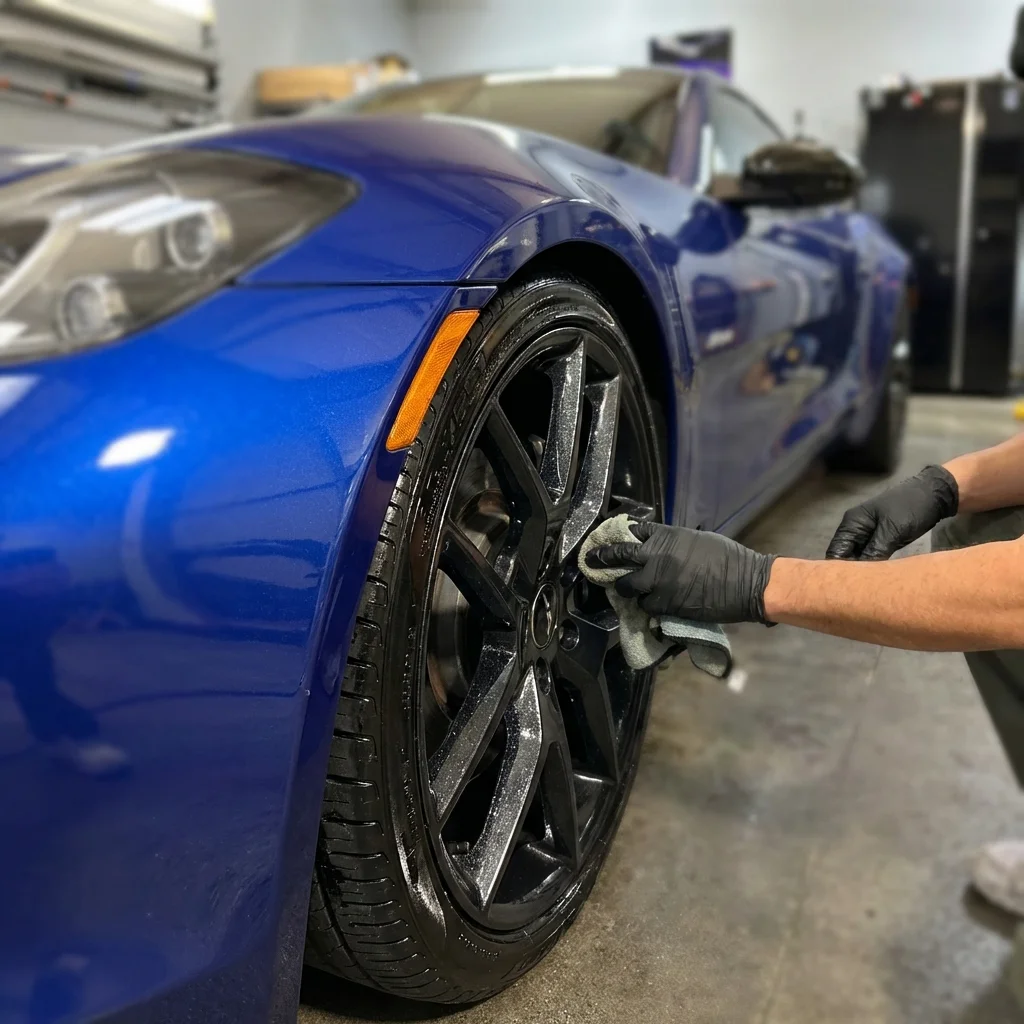
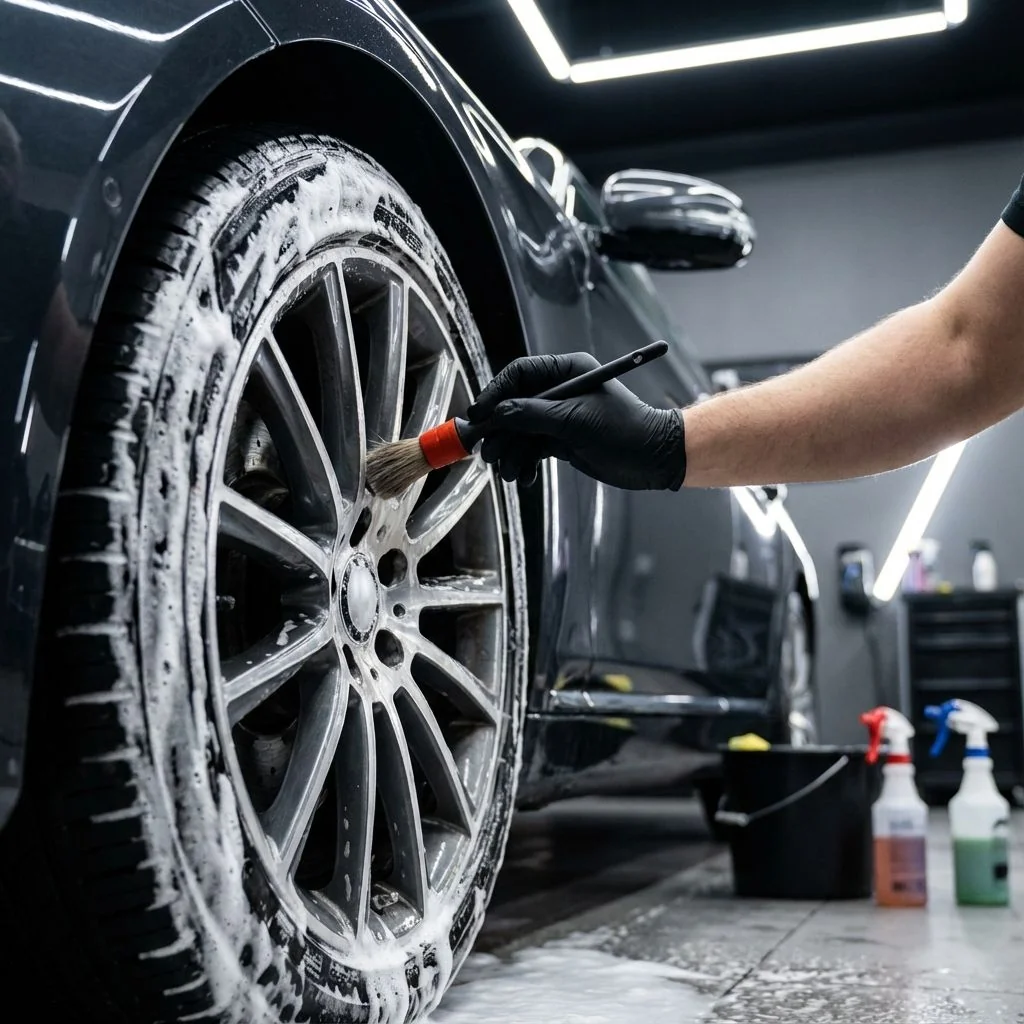
Brake dust accumulation: Highway braking creates significant brake dust, which is corrosive to wheel finishes when left in place.
Why quick cleaning matters:
Cleaning process:
For long-term wheel protection, consider wheel ceramic coating that makes brake dust removal dramatically easier.
Physical wheel inspection:
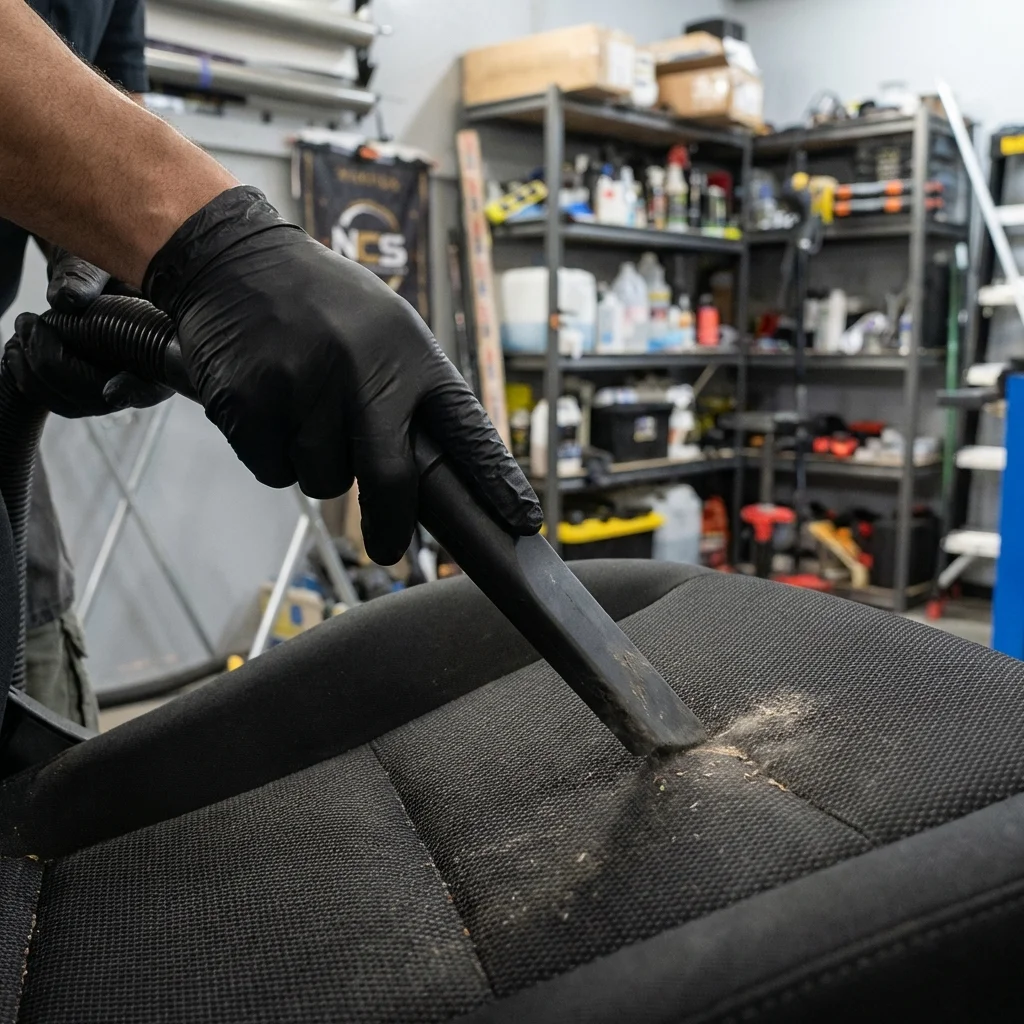
Road trips hard on interiors—food, drinks, sand, sunscreen, and general debris accumulate rapidly.
Spills and stains:
Odor assessment:
High-touch surfaces: These surfaces accumulate oils and become grimy:
What to check:
You don't need to be a mechanic to perform basic under-hood verification after a road trip.
Engine oil:
Coolant level:
Washer fluid:
While the hood is up:
Based on your inspection findings, here's when to seek professional help.
Recommended after 500+ mile trips: An express detail addresses road trip wear efficiently:
Typical cost: $75-125 Time: 1-2 hours
See our Detailing Packages Explained for service comparisons.
Recommended after 1,000+ mile trips or extended travel:
Typical cost: $200-400 Time: 4-8 hours
Schedule immediately for:
Our windshield services include mobile repair for convenience.
Don't just address current damage—prepare for next time.
Before your next road trip:
Paint protection:
Glass protection:
Interior preparation:
Mechanical preparation:
Print or save this checklist for use after your next road trip:
Within 24 hours:
Within 48 hours:
Within 1 week:
How soon after a road trip should I wash my car? Ideally within 24-48 hours, focusing first on bug removal within 24 hours. The longer road trip contamination sits, the harder it is to remove and the more damage it can cause. If you can't do a full wash, at least rinse and treat the front end where bug and debris concentration is highest.
What's the fastest way to remove bugs if I'm short on time? If you can't do a full wash, spray bug-affected areas generously with a dedicated bug remover product, let it dwell for 5 minutes, then wipe with a wet microfiber and rinse. This prevents the worst etching damage even if you can't wash the whole car immediately.
Should I take my car through an automatic car wash after a road trip? We don't recommend brush car washes in any situation, but especially not after road trips. The bugs, tar, and debris on your car become abrasive under brush pressure, creating scratches. Use touchless washes if you must, but hand washing is safest.
How do I know if a windshield chip needs repair vs. just monitoring? Chips smaller than a quarter with no extending cracks are usually repairable. Chips in the driver's direct line of sight should always be professionally assessed. Any chip that has started to "spider" or crack should be addressed within 24-48 hours—it may still be repairable if caught early.
What's the most commonly missed problem after road trips? Brake dust on wheels. It doesn't look urgent, but hot brake dust bonds to wheel finishes and becomes corrosive. Within a few days, it can permanently damage wheel clear coat. Always clean wheels within 48 hours of highway driving.
How do I check for damage I can't easily see? Wash and dry the car completely, then examine it in bright but indirect light (not direct sunlight). Walk slowly around the entire vehicle. Getting down to wheel-level helps you see rocker panel and lower body damage. Check in slightly dimmer light for deep scratches that fill with shadow.
Should I check anything mechanical after a road trip? Yes—check all fluid levels after the engine has cooled for several hours. Pay attention to tire pressure (check when cold). Look for any new fluid leaks under the car. These simple checks catch problems before they become expensive.
Is professional detailing worth it after a road trip? For trips over 1,000 miles or travel through bug-heavy regions, professional detailing is often worthwhile. Professionals have stronger bug removers, clay bar treatments for bonded contamination, and can address issues you might miss. Consider it preventive maintenance for your paint.
How do I prevent road trip damage in the first place? The best prevention is paint protection film (PPF) on high-impact areas—it makes bug removal effortless and prevents stone chips entirely. Ceramic coating doesn't prevent impacts but makes contamination removal much easier.
When should I get a windshield chip repaired vs. schedule replacement? Immediately schedule repair for any chip smaller than a quarter without cracks. If the chip has developed cracks, is larger than a quarter, is in the driver's direct vision line, or is near the edge of the windshield, have it professionally assessed—replacement may be necessary.
📞 Need post-trip cleanup or repairs? Book an express detail or schedule glass service.
Blackout Window Tinting is the Bay Area's premier choice for premium auto protection. Based in Gilroy at 610 Holloway Rd (behind Target), we've served the South County and Silicon Valley area for over 33 years. Whether you're coming from Morgan Hill, Hollister, or anywhere else in the Bay Area, we're your trusted local source for professional window tint, PPF, and ceramic coating.
📞 Questions? Call us at 408-848-8468 or get a free quote online.
We clean your vehicle and apply the desired service quickly and efficiently.
It can last for years with proper care.
Absolutely, all of our products are 100% safe.